Winter Storm Prep for Western North Carolina Homes, Protect Your Plumbing Before It Freezes
Local Plumbing Tips to Keep Your Water Flowing and Your Family Comfortable During Severe Weather
Here is the good news. You do not need to be a plumber to protect your home. You just need to think ahead and handle a few simple things before the temperature drops and the wind starts howling through the hollers.
Homes around here are a mix of older houses, crawlspaces, additions done years apart, and a whole lot of well systems. That combination makes plumbing more vulnerable when we get hard freezes, especially if the power goes out or the house sits empty for a day or two. Pipes do not freeze because it is cold outside. They freeze because cold air gets where it should not be and water sits still too long.
This guide is written for local homeowners, not generic advice pulled from somewhere else. These are the same steps I would tell my neighbors to take if a serious winter storm is headed our way. We will walk through how to protect exposed plumbing, what to do inside the house to keep water moving, and how to avoid the kind of damage that turns a cold weekend into a very expensive mess.
A little prep now can save you a busted pipe, a soaked crawlspace, and a call to us when the roads are iced over and crews are stretched thin. Let us get your home ready so you can focus on staying warm, keeping the coffee hot, and watching the weather roll through from the comfort of your living room.

Protecting Exterior Plumbing Before Temperatures Drop
Exterior plumbing is always the first thing to freeze around here. Hose bibs, yard hydrants, well houses, and exposed lines do not stand a chance once the wind picks up and temperatures stay below freezing.
Start by disconnecting every garden hose. Even one left attached can trap water inside the faucet and split the pipe inside the wall. Once the hose is off, shut off the interior valve if you have one and let the exterior faucet drain fully. If you do not have a shutoff, cover the faucet with an insulated cover. They are cheap, easy to install, and worth every penny.
If you have a well house or pump enclosure, check that it is fully closed and insulated. Many around here are just enough to keep critters out, not cold air. A small space heater on a safe, low setting can help during extreme cold, but only if it is positioned safely and never unattended.
Any exposed pipes outside or under mobile homes should be wrapped with insulation or heat tape rated for plumbing use. Do not wait until the night the storm hits. Once pipes freeze, insulation will not undo the damage.
Interior Plumbing Prep, Keep Water Moving and Cold Air Out
Inside the house, the goal is simple. Keep warm air around the pipes and keep water moving when it is bitter cold.
Open cabinet doors under sinks that sit on exterior walls, especially in kitchens and bathrooms. That allows warm air from the house to circulate around the pipes. If the sink backs up to a crawlspace or outside wall, this step matters more than people realize.
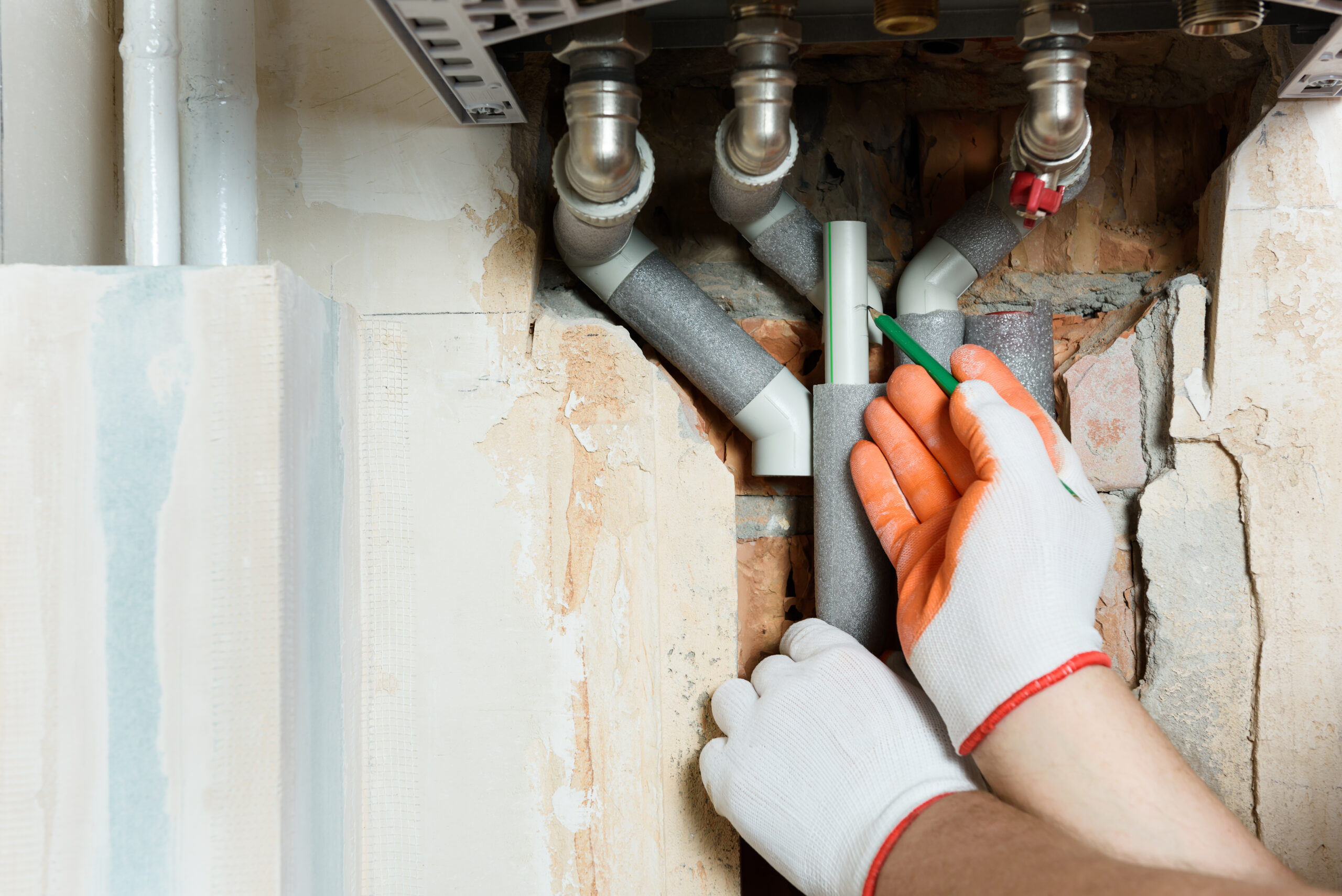
When temperatures dip well below freezing overnight, let faucets drip slightly. You are not wasting water. You are preventing pressure from building inside a frozen line. A slow, steady drip is all it takes.
Keep your thermostat set consistently. Big temperature swings make pipes work harder. If you leave town, do not turn the heat way down. A house kept at a steady, modest temperature is far safer than one that drops into the 40s.
If you feel cold air blowing through floors or walls, that is a sign pipes may be exposed to drafts. Temporary fixes like blocking gaps with towels or foam can help until permanent repairs can be made.

Crawlspaces and Basements, The Most Common Freeze Zone
Crawlspaces are where we see the most winter plumbing damage in this part of North Carolina. Many homes around Forest City, Shelby, and the surrounding areas have open or partially vented crawlspaces that let cold air move freely.
Check that crawlspace doors and vents are closed before the storm. If insulation has fallen down or is missing, pipes are at much higher risk. Even a short blast of freezing air can lock a line solid.
If you know pipes are exposed under the house, wrap them with insulation sleeves or heat tape ahead of time.
If you have had frozen pipes there before, assume it will happen again unless something changes.
Basements are usually safer, but only if they stay warm. Do not shut off heat completely to basement areas that contain plumbing. If there is a utility sink, water heater, or main water line down there, it needs warmth just like the rest of the house.
Water Heater Checks Before and During the Storm
Your water heater works hardest during winter storms, and it will usually give you warning signs if something is wrong.
Before the storm hits, make sure the area around the water heater is clear and dry. Look for any signs of leaking, rust around the base, or water pooling on the floor. If you see moisture where it should not be, address it right away.
If you suddenly lose hot water, hear loud popping or rumbling, or notice water pressure dropping, those are signs to pay attention to. Cold weather can stress older units, especially if pipes feeding the heater begin to freeze.
If the power goes out and you have an electric water heater, do not reset breakers repeatedly.
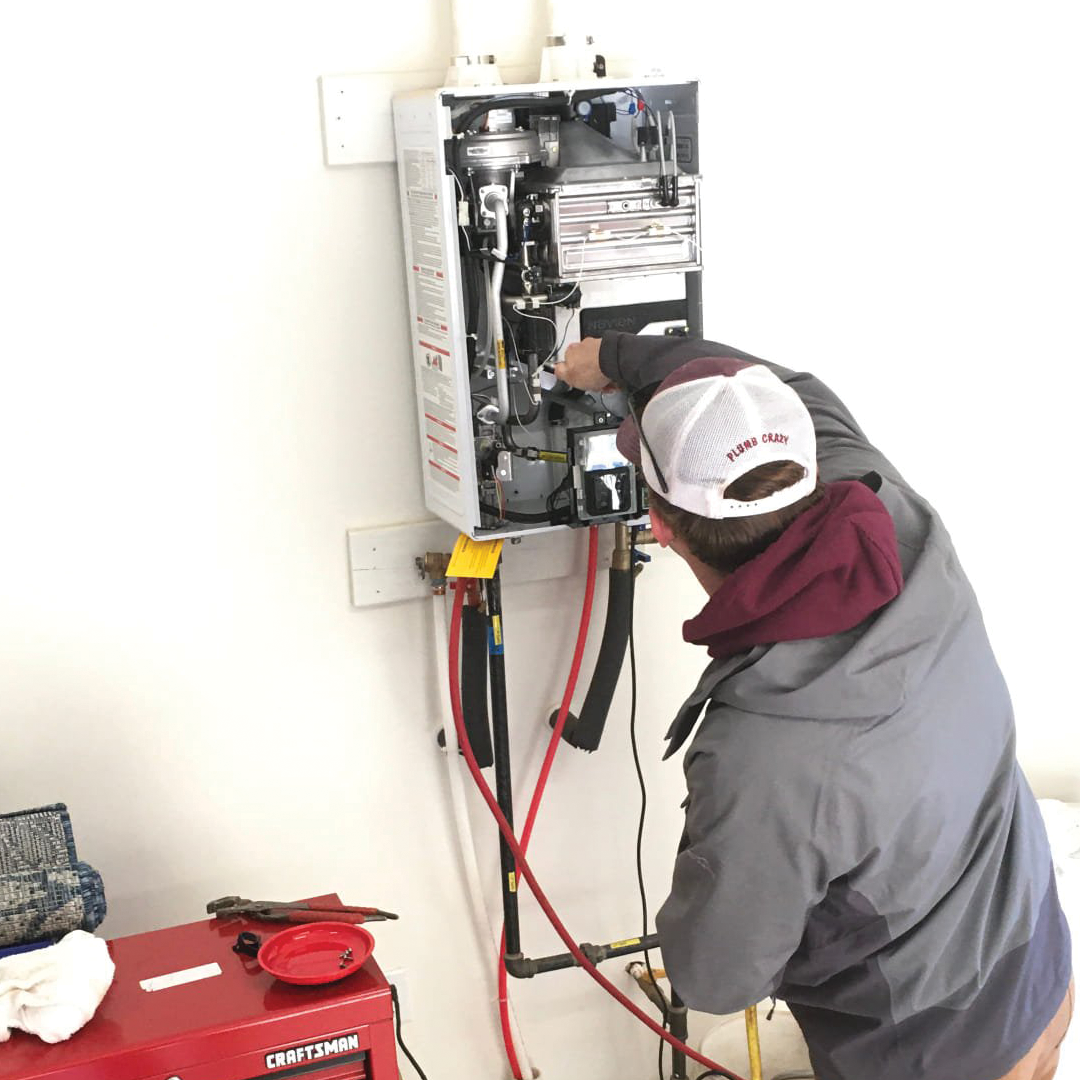
If you have a gas water heater, make sure the vent remains clear and there is no smell of gas. Safety always comes first.
If you are unsure, it is better to shut the unit down and call for guidance than to risk a flooded basement or a damaged heater.
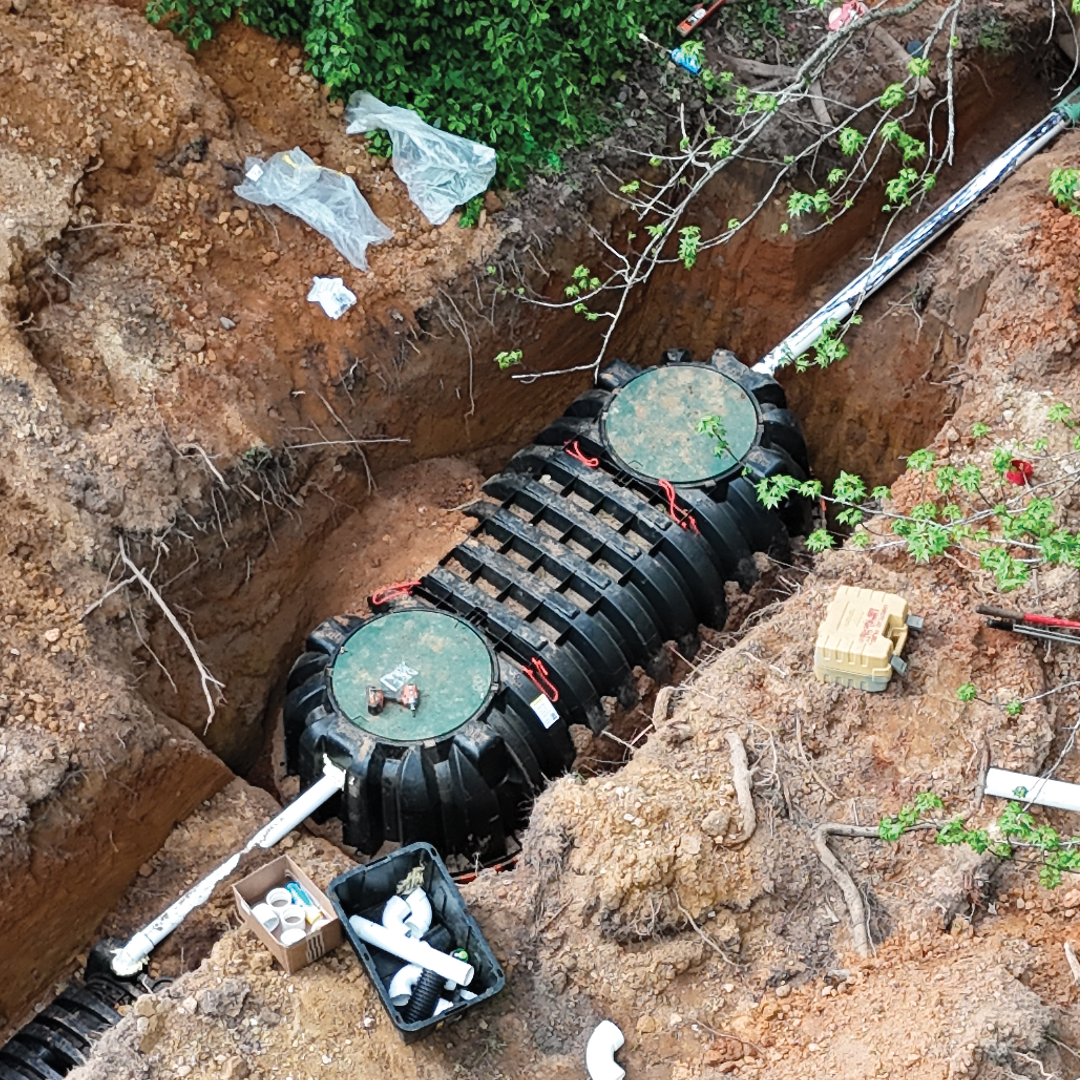
Septic Systems and Cold Weather, What Local Homeowners Should Know
If your home is on septic, winter storms add a few extra things to think about.
Avoid running excessive water during extreme cold. Large amounts of water entering the system can overwhelm it, especially if the ground is frozen. Spread out laundry loads and avoid unnecessary draining.
Do not drive or park over the septic tank or drain field, especially when the ground is frozen or saturated. Compaction can damage lines and make future issues much worse.
If you have a septic pump, make sure the electrical connection is protected and that alarms are working. Power outages can affect pump systems, and knowing there is an issue early makes a big difference.
Never open septic lids during freezing weather. Exposure can cause components to freeze quickly and create a much bigger problem.
What To Do If You Suspect a Pipe Is Freezing or Frozen
If you turn on a faucet and only a trickle comes out, or nothing at all, do not panic, but act quickly.
First, shut off the water supply if you know where the main valve is. That limits damage if the pipe bursts when it thaws. Then check nearby areas for visible frost, bulging pipes, or damp spots.
Never use an open flame to thaw a pipe. No torches, no propane heaters, no heat guns aimed too closely. This is how fires start. Safe options include warm air from a hair dryer, a space heater placed at a safe distance, or wrapping the pipe with warm towels.
If you cannot locate the frozen section or you see signs of leaking, it is time to call a professional. Frozen pipes do not always burst immediately. Many fail hours later when the ice melts and pressure returns.

When to Call a Local Plumber Before Things Get Worse
There is no prize for waiting too long during a winter storm. If you have no water, repeated freezing issues, a leaking water heater, or water showing up where it should not be, it is better to call early.
At Ohmstead Plumbing, we would much rather help you prevent damage than respond after a pipe has split and soaked your home. Even during severe weather, we can often talk you through safe steps to stabilize the situation until conditions improve.
A little preparation and quick action can save thousands in repairs and a whole lot of stress. Take the time now to protect your plumbing so you can ride out the storm warm, dry, and worry free.